A blocked line rarely arrives without warning. Water in the kitchen sink sits a moment longer than it used to, the tub gurgles when the washing machine empties, and a faint sour smell drifts up from the basin on a warm afternoon. Those are the early signs that something inside the pipe is narrowing, and in Everett houses the cause usually comes down to a handful of familiar culprits.
What narrows a household line
Cooking fat is the quiet one. Poured down the sink warm it moves easily, then cools against the inside of the pipe and sets. Every wash after that adds another film, and coffee grounds, rice and eggshell fragments catch in it until the opening is a fraction of its original width. Bathrooms fail differently: hair bound up with soap scum forms a mat just below the stopper, and where fixtures run hard water, mineral scale hardens on top of it.
Outside the house the problem is often the neighbourhood itself. Older Everett streets are lined with mature maples and cedars, and their roots follow moisture seeping from a joint in a clay or cast-iron lateral. Once a root is inside the pipe it keeps growing, catching paper and grit as it goes. Properties on unincorporated Snohomish County land, where a side sewer runs a long way to a septic field, tend to notice this first.
Kitchen lines take the hardest use
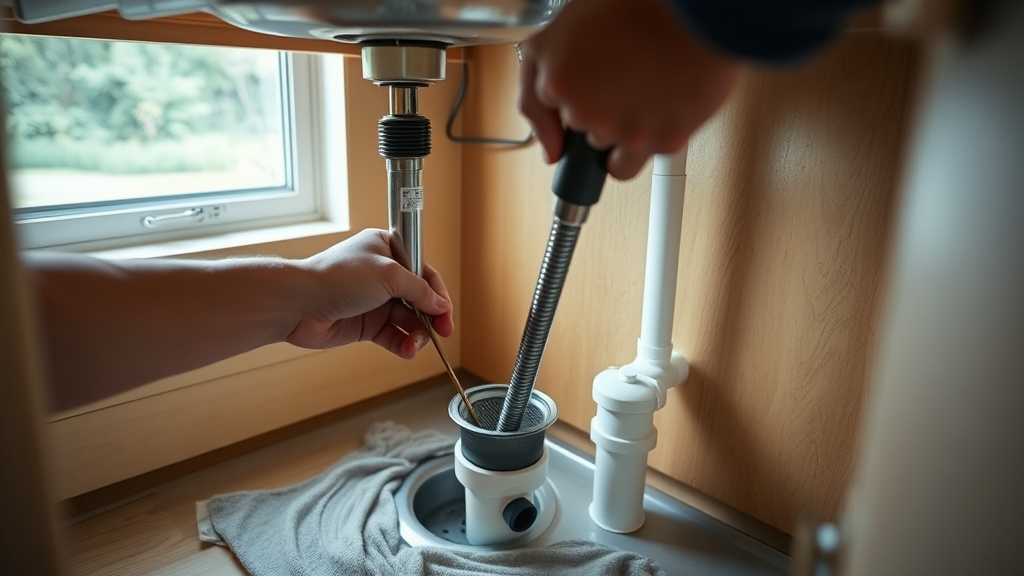
Of all the drains in a house, the one under the kitchen sink does the most work and gets the least thought. It handles hot water, detergent, fat and food solids several times a day, often through a disposal that grinds material fine enough to pack tightly further down the line. A kitchen branch that backs up repeatedly is usually telling you the blockage is not at the strainer but somewhere past the trap, which is the point at which most households stop making progress with a bottle of cleaner and call someone who can see inside the pipe. Everett Drain Cleaning in Everett, WA works on kitchen sink lines specifically, which is a different job from clearing a main.
When plunging is not going to work
A plunger moves water, and water will shift a soft obstruction sitting close to the opening. It does nothing useful against a root mass, a collapsed section of pipe, or a hardened ring of grease two metres down. The signs that you are past the point of plunging are fairly clear: more than one fixture draining slowly at the same time, water appearing at a floor drain or a downstairs shower when an upstairs fixture is used, or a line that clears briefly and blocks again within days. Each of those points at the shared pipe rather than the individual fixture.
Caustic cleaners deserve a word here too. They generate heat as they react, and in an older house with thin cast iron or glued plastic joints that heat does real damage. They also tend to stall partway down and sit against the blockage rather than clearing it, which leaves a pipe full of corrosive liquid for whoever opens the trap next.
Matching the method to the blockage
Cable machines, often called snakes, work mechanically. A rotating cable is fed down the pipe until the head reaches the obstruction, then cuts or hooks through it. That suits hair mats, soft food blockages and small root intrusions, and it is usually the first thing tried on a branch line.
Where the pipe walls themselves are coated, cutting a hole through the middle only buys a few weeks. High-pressure water jetting takes a different approach, scouring the full inside diameter back to bare pipe so the line carries its original volume again. It is the better answer to accumulated grease and to the fine root hair that regrows quickly after cutting, though it needs pipe in sound enough condition to take the pressure.
Knowing which of the two a line needs generally means looking first. A camera run down the pipe shows whether the narrowing is debris, scale, root or a structural fault, and a structural fault is not something any cleaning method fixes.
Habits that keep a line open
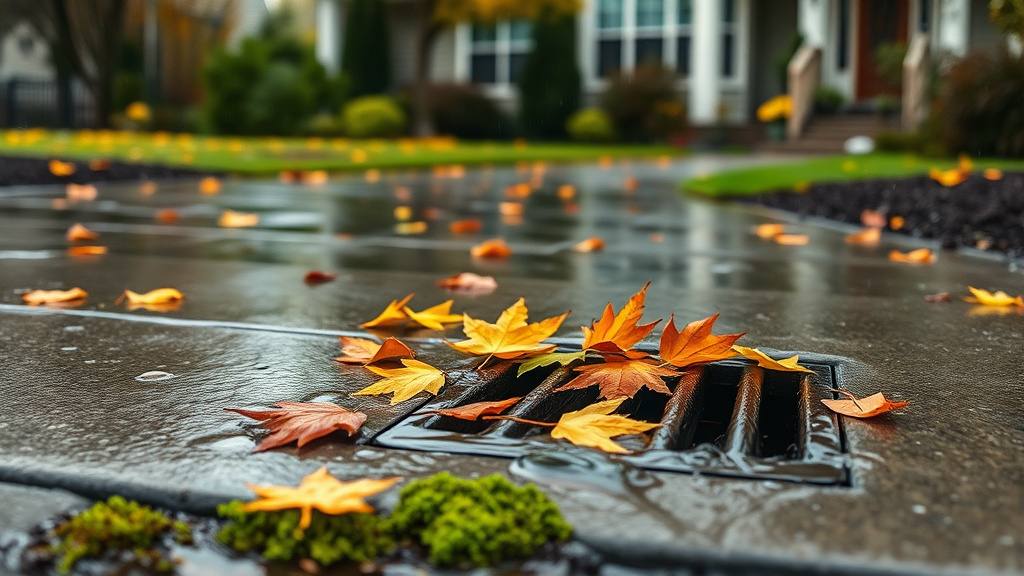
Most of what keeps a household drain clear costs nothing. Fat and oil go into a jar and then the bin rather than down the sink. Strainers stay in place in the kitchen and the shower and get emptied rather than poked through. Running hot water for a while after washing up moves residue along before it has a chance to cool and settle. There are a number of simple habits that keep household lines clear without reaching for anything caustic, and they matter more in autumn, when the first sustained rain pushes leaf litter and grit into outdoor grates and side sewers across the county.
Trees are the one thing you cannot manage with habits alone. If a property has mature planting over the line of the side sewer, the roots will keep coming back, and the practical approach is to have the pipe looked at on a regular cycle rather than waiting for the backup that arrives on the wettest weekend of the year.
Neighbourhood layout changes what a service call looks like, which is the subject of this look at how Valley View sits apart from the rest of southeast Everett.